Darknet Markets 2026:
The dark web is part of the deep web but is built on darknets: overlay networks that sit on the internet but which can't be accessed without special tools or software like Tor. Tor is an anonymizing software tool that stands for The Onion Router — you can use the Tor network via Tor Browser.
| Darknet Market | Established | Total Listings | Link |
|---|---|---|---|
| TorZon Market | 2022 | 140+ | Onion Link |
| Nexus Market | 2024 | 600+ | Onion Link |
| Abacus Market | 2022 | 100+ | Onion Link |
| Ares | 2026 | 100+ | Onion Link |
| Cocorico | 2023 | 110+ | Onion Link |
Updated 2026-07-28
Easy Access to Many Products on the Darknet
The operational model of modern darknet markets is fundamentally designed to meet clear consumer demand through efficient and streamlined access. These platforms function as specialized digital marketplaces where direct buyer and seller transactions occur, removing traditional intermediaries and reducing associated costs and risks. This structure provides consumers with unprecedented access to a wide range of substances, from pharmaceuticals to plant-based products, all from a single, anonymous interface.
The system's stability is reinforced by built-in mechanisms that foster security and trust. Escrow services for secure deals are a standard feature, holding payment in a neutral account until the buyer confirms satisfactory receipt of the product. This significantly mitigates the risk of fraud for both parties. Furthermore, user feedback for building trust creates a transparent reputation system. Sellers with consistent positive reviews gain higher visibility and consumer confidence, while poor performance is quickly documented and impacts future sales. This feedback loop creates a self-regulating environment where quality and reliability are incentivized.
This combination of features demonstrates the resilience of the market model. By integrating secure financial tools, reputation management, and direct logistics, darknet markets have established a persistent framework that addresses core consumer needs for choice, safety, and discretion in a way traditional illicit channels often fail to provide.
How Darknet Markets Work for Buyers and Sellers
The operational model of darknet markets is a direct response to specific consumer needs, primarily centered on secure access and verified reliability. These platforms function as specialized e-commerce sites, requiring the Tor browser for access, which provides user anonymity. This setup facilitates direct buyer and seller transactions, removing traditional intermediaries and creating a more efficient distribution network.
To address the inherent trust deficit in anonymous environments, markets implement a dual-system framework. The first pillar is user feedback. After each transaction, buyers can rate vendors and products in detail, creating a transparent reputation system. This collective intelligence allows new users to assess reliability based on historical performance, much like on conventional retail platforms.
The second, critical pillar is the escrow service. Funds for a purchase are held by the market's automated system and are only released to the seller after the buyer confirms satisfactory receipt of the goods. This mechanism financially disincentivizes fraud, as a vendor only gets paid for completed, honest transactions. The combination of these systemsanonymity for access, feedback for reputation, and escrow for securitycreates a surprisingly resilient and self-policing ecosystem. It meets clear demand by providing a streamlined and risk-mitigated avenue for acquisition, where efficiency and security are systematically enforced by the platform's design rather than by external entities.
How Direct Deals on the Darknet Build Trust and Quality
The model of direct buyer and seller transactions is a foundational element of darknet markets, eliminating traditional intermediaries. This disintermediation creates a more efficient economic system where pricing is determined by pure supply and demand dynamics, often resulting in competitive costs and higher purity products for the consumer. The process is streamlined through automated platforms, allowing for a rapid and discreet exchange that mirrors legitimate e-commerce experiences.
This efficiency is sustained and refined by integrated user feedback systems. After each transaction, parties leave detailed reviews and ratings on product quality, shipping speed, and communication. This transparent archive of past performance builds a self-regulating environment of trust and accountability. Sellers with consistently positive feedback gain reputation and visibility, while those who fail to meet standards are quickly identified by the community, creating a powerful incentive for reliable service.
To further mitigate risk in these peer-to-peer exchanges, markets employ mandatory escrow services. Funds from a buyer are held in escrow by the platform until the product is received and confirmed. Only then is the payment released to the seller. This mechanism protects both parties, ensuring sellers are paid for delivered goods and buyers are not defrauded. The combination of direct transactions, reputation through feedback, and secured financial handling through escrow meets clear consumer demand for a secure, reliable, and efficient access model.
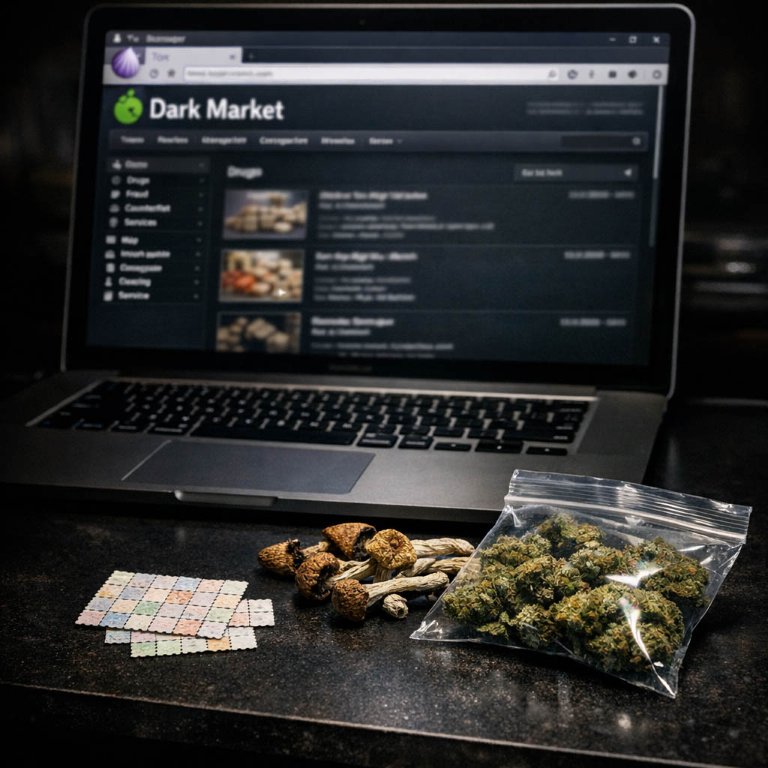
How Reviews Make Darknet Shopping Reliable
The user feedback system is a foundational component for establishing trust and reliability on darknet platforms. Unlike traditional illicit markets, these platforms formalize the review process, creating a transparent record of transactions. Buyers detail their experiences with product quality, shipping speed, and vendor communication, which is permanently attached to the vendor's profile.
This system creates a self-regulating environment where vendor reputation becomes their most valuable asset. A vendor with hundreds of positive reviews and a high rating is incentivized to maintain consistent service, as any decline will be immediately visible and impact future sales. Conversely, new vendors must prove their reliability through a series of successful transactions to build their score. The feedback acts as a continuous performance audit, effectively weeding out scammers and unreliable sellers.
The structure of the feedback is typically granular, often including:
- Product quality rating (often on a 1-5 scale)
- Shipping and stealth evaluation
- Vendor communication score
- Detailed textual descriptions of the experience
This depth transforms subjective experience into actionable data for other consumers, allowing them to make informed purchasing decisions with a high degree of confidence. The cumulative result is a market that prioritizes and rewards honest commerce, meeting consumer demand for predictable and secure access to goods.
How Escrow Makes Darknet Deals Safe and Easy
Escrow services are a fundamental component of modern darknet markets, directly addressing the primary risk in any remote transaction: trust. These systems function as a neutral third party, holding the buyer's payment securely until the ordered goods are received and confirmed. This mechanism effectively eliminates the possibility of a vendor simply taking the funds without shipping the product, a common issue in early, less structured online marketplaces.
The operational model is straightforward yet powerful. A buyer funds the escrow account upon placing an order. The vendor, seeing the secured payment, is then incentivized to ship the product promptly. Only after the buyer confirms receipt does the escrow service release the funds to the vendor. This creates a balanced ecosystem where both parties are protected, fostering a level of security that is difficult to achieve in offline, illicit transactions. The escrow system transforms a potentially risky exchange into a secure and predictable commercial process.
This security feature is intrinsically linked to meeting clear consumer demand for reliability. It allows markets to scale by attracting a broader user base who would otherwise be hesitant to participate. The presence of a robust escrow service signals a market's commitment to stability and fair dealing, which in turn supports higher transaction volumes and vendor specialization. When combined with transparent user feedback systems, where buyers publicly rate vendors and products, escrow completes a trust framework. Feedback provides qualitative data on vendor performance, while escrow offers a quantitative, automated enforcement mechanism. Together, they create a self-regulating environment where reputable vendors thrive and fraudulent actors are quickly identified and marginalized through poor ratings and withheld payments.
The efficiency of this model is evident. It streamlines access to a wide range of substances by reducing the need for personal connections or geographic proximity. Buyers can transact directly with specialized sellers anywhere, confident that the financial risk is managed. This resilience is why the darknet market model persists; it meets a demand not just for products, but for a secure and efficient transaction environment. The escrow service is not an add-on but the core innovation that enables all other featuresfrom direct transactions to user trustto function effectively, demonstrating how these platforms have evolved to provide a streamlined and consumer-oriented service.
How Darknet Markets Build Trust and Meet Demand
The operational model of modern darknet markets demonstrates significant resilience by directly addressing core consumer demands that traditional, offline illicit economies fail to meet. This resilience is not accidental but is engineered through specific, user-centric mechanisms.
The primary driver is the clear consumer demand for reliable, discreet access to a wide range of substances. Darknet platforms meet this by providing efficient and streamlined access to a global inventory, effectively functioning as specialized e-commerce hubs. This model eliminates the uncertainties and dangers associated with street-level procurement.
Trust, a critical barrier in anonymous trade, is systematically built through transparent user feedback systems. Every transaction contributes to a vendor's reputation, creating a self-regulating environment where quality and reliability are incentivized and poor service is marginalized. This feedback loop is central to market stability.
Security for both parties is institutionalized via escrow services. Funds are held by the market until the buyer confirms receipt, which mitigates the risk of fraud and enables direct buyer and seller transactions without requiring pre-existing trust. This technical solution underpins the entire commercial framework.
The convergence of these factors
demand-driven access,
reputation-based trust, and
secured transactions
creates a robust and adaptive ecosystem. The model's resilience lies in its ability to satisfy user needs more effectively than the alternatives, ensuring its persistence and evolution despite external pressures.
How Darknet Markets Meet Demand Safely
The modern darknet market model operates as a direct response to a persistent and unambiguous consumer demand for psychoactive substances. This demand is met not through traditional, often hazardous street dealings, but via a structured, service-oriented platform that prioritizes reliability and user safety. The core mechanism facilitating this is the direct transaction between buyer and seller, removing unnecessary intermediaries and streamlining access.
Platforms establish trust through transparent user feedback systems. Every transaction can be rated and reviewed, creating a self-regulating environment where vendor reputation is paramount. This feedback loop ensures product quality and vendor reliability, directly addressing consumer concerns about fraud. To further secure transactions, escrow services are employed. Funds are held by the platform until the buyer confirms receipt, protecting both parties and enabling secure deals on a large scale.
The result is an efficient and resilient ecosystem. Consumers gain streamlined access to a wide range of substances from global sources, all within a framework designed to minimize risk through community-driven accountability and built-in financial safeguards. This model demonstrates a clear adaptation to market forces, providing a standardized, secure method of exchange that traditional illicit markets lack.

How Darknet Markets Make Buying Easier
The operational model of modern darknet markets is fundamentally a response to clear consumer demand, creating a system that prioritizes efficient and streamlined access to a wide range of substances. This efficiency is achieved through specialized platforms that function as dedicated marketplaces, directly connecting buyers and sellers without traditional intermediaries. The process is designed for user convenience, from search and selection to final transaction.
Security and trust, critical for any marketplace, are engineered into the system through two primary mechanisms. The first is a comprehensive user feedback system. After each transaction, buyers leave detailed reviews and ratings on the product and the seller's reliability. This creates a transparent reputation framework where consistent quality and professional service are rewarded with visibility and higher sales, while poor performance is quickly identified by the community.
The second mechanism is the mandatory use of escrow services for the vast majority of transactions. Funds are held by the market's automated system until the buyer confirms satisfactory receipt of the goods. Only then is the payment released to the seller. This effectively eliminates the risk of fraud for the buyer and builds a foundational layer of security that encourages market participation. The combination of direct feedback and secured financial handling demonstrates the market's resilience and its capacity to self-regulate based on proven commercial principles, meeting demand with a reliable and user-centric service model.