Darknet Markets 2026:
The dark web is part of the deep web but is built on darknets: overlay networks that sit on the internet but which can't be accessed without special tools or software like Tor. Tor is an anonymizing software tool that stands for The Onion Router — you can use the Tor network via Tor Browser.
| Darknet Market | Established | Total Listings | Link |
|---|---|---|---|
| TorZon Market | 2022 | 140+ | Onion Link |
| Nexus Market | 2024 | 600+ | Onion Link |
| Abacus Market | 2022 | 100+ | Onion Link |
| Ares | 2026 | 100+ | Onion Link |
| Cocorico | 2023 | 110+ | Onion Link |
Updated 2026-07-28
How Modern Darknets Make Trading Safer and Smoother
The operational model of darknet markets in 2025 has evolved into a highly efficient ecosystem for acquiring substances. This efficiency is built on a foundation of advanced privacy and security measures that protect all parties and streamline the process from listing to delivery.
Transaction safety is now primarily ensured through the implementation of post-quantum cryptography. This next-generation encryption secures communications and financial transactions against future decryption threats, making intercepted data useless. For dispute resolution, decentralized escrow systems operate without a central point of failure, automatically releasing funds only upon confirmed delivery, which enforces fair dealing. Vendor reliability is quantitatively verified through multi-signature feedback systems, where a transaction is only marked complete upon release by both buyer and vendor, creating a tamper-proof record of performance.
Logistical efficiency has seen significant improvements. Automated logistics software integrates vendor inventory with shipping workflows, generating labels and tracking while minimizing human error, leading to higher delivery success rates. Market infrastructure itself is more resilient due to distributed hosting across global nodes, preventing takedowns and ensuring constant availability. User financial privacy is further protected by integrated cryptocurrency mixing services that obfuscate the trail of funds on the blockchain.
Finally, user experience focuses on clarity and real-time information. User-friendly interfaces provide clear product listings, and real-time inventory updates prevent overselling. This combination of robust privacy, enforced trust, and streamlined operations creates a secure and efficient trading environment.
How New Encryption Makes Darknet Trade Safer
The operational security of darknet markets in 2025 is fundamentally dependent on cryptographic integrity. The advent of quantum computing presents a theoretical threat to current asymmetric encryption standards, such as RSA and ECC, which underpin transaction signing and communication channels. To preempt this, leading platforms have begun integrating post-quantum cryptography (PQC) algorithms into their core protocols.
This transition involves replacing vulnerable key exchange and digital signature mechanisms with quantum-resistant alternatives. Algorithms like CRYSTALS-Kyber for key encapsulation and CRYSTALS-Dilithium for signatures are now implemented to secure wallet addresses and transaction authorization. The process is largely transparent to the user, functioning within the market's wallet software and communication layers. The primary effect is the establishment of a long-term cryptographic guarantee. Even with future advances in quantum processing power, the cryptographic seals protecting financial transactions and private messaging remain computationally infeasible to break.
The implementation follows a hybrid model, combining classical and post-quantum algorithms to ensure backward compatibility and robustness during the transition period. This provides:
- Future-proofed financial privacy, ensuring transaction histories cannot be decrypted retroactively.
- Unbreakable communication channels between buyers and vendors for order coordination.
- Enhanced authentication protocols that protect vendor and buyer identities from sophisticated future attacks.
This cryptographic upgrade directly reinforces market efficiency by eliminating a category of existential risk. Participants can engage in transactions with confidence that the underlying privacy mechanisms are secured against not only present but also foreseeable computational threats. This stability is a cornerstone for the reliable vendor relationships and automated logistical systems that characterize the modern darknet ecosystem.
How Decentralized Escrow Makes Darknet Trading Safer
The evolution of escrow from a centralized third-party service to a decentralized, protocol-based mechanism represents a fundamental improvement in transaction security on darknets. Traditional markets required users to trust a single administrator with funds, creating a central point of failure vulnerable to exit scams. The modern solution utilizes multi-signature smart contracts deployed on privacy-focused blockchains or layer-2 networks.
In a typical 2-of-3 multi-signature setup, the buyer, vendor, and the market's automated arbitration system each hold one cryptographic key. The buyer's funds are locked in the contract upon order placement. Releasing payment requires two of the three parties to sign the transaction. This creates a balanced system:
- The vendor cannot access funds without the buyer confirming receipt of goods.
- The buyer cannot unfairly reclaim funds after receiving the product without vendor consent.
- The market's arbitration key is only invoked if a dispute arises, preventing unilateral control of funds.
The process is transparent and automated. Dispute resolution is facilitated through cryptographically signed proof, such as shipping confirmation or photographic evidence, submitted directly to the smart contract. This reduces human bias and accelerates settlements. The technical architecture ensures that no single entity has custodial control over user funds, effectively eliminating the risk of large-scale theft by market operators. This structural shift builds inherent trust, allowing economic activity to proceed with minimized counterparty risk.

How Multisig Feedback Builds Trust for Dependable Vendors
The evolution of vendor reputation systems is a cornerstone of modern darknet efficiency. The traditional model of simple buyer reviews is insufficient for high-value transactions. The 2025 ecosystem employs a multi-signature (multisig) escrow system integrated directly with feedback mechanisms. In this setup, funds are held in a 2-of-3 multisig wallet requiring two of three keys to release payment: one held by the buyer, one by the vendor, and one by the market or a designated third party.
This technical framework transforms feedback from an afterthought into a verifiable component of the transaction. A buyer can only release the final payment and submit a feedback rating after confirming receipt and quality of the product. This process creates a direct, immutable link between a completed deal and its review, making fraudulent feedback campaigns logistically and economically impractical. The reputation score becomes a cryptographic proof of successful completions, not just anonymous text comments.
The resulting data structure offers clear advantages:
- Vendors with high scores demonstrably fulfill orders consistently, which reduces buyer anxiety and market dispute overhead.
- New vendors can build trust more rapidly, as each positive rating is anchored to a settled multisig transaction.
- The system incentivizes professional conduct on both sides, as buyers also develop a transaction history.
This mechanism fosters a self-regulating commercial environment. Reliable vendors gain more business and can sustain higher volumes, which directly contributes to the overall reliability and predictable operation of the darknet marketplace. The feedback is no longer just opinion; it is a auditable record of performance.
How Automated Systems Make Darknet Deliveries More Reliable
The logistical framework of darknet markets in 2025 has undergone a significant transformation, moving from a manual, vendor-dependent process to a highly automated supply chain. This shift is primarily driven by sophisticated vendor-side software that integrates directly with national postal and logistics networks. These systems automate the generation of shipping labels, optimize packaging for discretion, and manage bulk order sorting, drastically reducing human error and operational bottlenecks.
This automation directly correlates with higher delivery success rates. By minimizing manual handling and standardizing procedures, the risk of package compromise or incorrect addressing is lowered. Vendors utilize data analytics from past shipments to identify and avoid high-risk routes or inspection patterns, dynamically adjusting logistics strategies. The integration of real-time tracking, provided to buyers through encrypted channels, offers transparency and builds trust without compromising operational security.
The ecosystem benefits from a feedback loop where reliable vendors gain more business, incentivizing further investment in these automated systems. Key components include:
- Automated address verification and formatting to prevent failed deliveries.
- Batch processing for orders, enabling efficient handling during high-volume periods.
- Algorithmic dispersion of drop points to avoid detectable patterns.
Consequently, the efficiency of acquiring substances is enhanced, as buyers experience predictable and timely delivery. This reliability, stemming from technological investment rather than mere vendor diligence, establishes a new standard for service quality on these platforms, making the entire process more consistent and secure for all participants.
How Distributed Hosting Keeps Darknet Markets Running Smoothly
The operational backbone of 2025 darknet markets is a resilient infrastructure built on distributed hosting models. This architecture fundamentally departs from centralized servers, which present a single point of failure for law enforcement takedowns. Instead, market platforms are now hosted across a decentralized network of nodes, often leveraging technologies like peer-to-peer networks and distributed hash tables.
This distribution means no single entity controls the entire platform's data or availability. The hosting environment is characterized by:
- Redundancy, where data is replicated across multiple nodes, ensuring continuity even if several are compromised.
- Geographic dispersion, making coordinated global shutdowns technically impractical.
- Increased uptime and reliability for end-users, as the service is not dependent on one server's performance.
The practical effect is a marketplace that is significantly more durable and resistant to external interference. For participants, this translates to consistent access and greater confidence in the platform's longevity. The technical implementation often involves automated node synchronization and encrypted data sharding, which maintains performance while upholding the distributed hosting principle. This infrastructure is not merely defensive; it enables a stable and efficient trading environment where transactional security and privacy protocols can function without interruption.
How Mixing Services Protect Privacy on the Darknet
The fundamental privacy challenge in cryptocurrency transactions is the public ledger. Every Bitcoin or Monero transaction, while pseudonymous, creates a permanent record. Analysis of these records can link a darknet market purchase to a specific wallet address, and subsequently to a real-world identity during the cash-out process. This is where cryptocurrency mixing becomes an essential operational component.
Mixing services, or tumblers, function by pooling funds from multiple users and redistributing them. Your 0.1 BTC deposit is combined with coins from dozens of other users. The service then sends you back 0.1 BTC, minus a service fee, but from a completely different and unrelated source of funds. This severs the direct on-chain link between the sending and receiving addresses.
In 2025, mixing technology has evolved beyond simple centralized tumblers. The trend is toward decentralized, non-custodial protocols. These are built on smart contracts or coinjoin implementations where users never relinquish control of their funds to a third party. This eliminates the risk of exit scams by mixing operators and enhances security. The process is often integrated directly into wallet software, making it a seamless step for the user.
The practical effect for the darknet ecosystem is a significant increase in financial privacy. It creates a robust layer of deniability and obfuscation. For vendors, mixing breaks the trail between market payouts and their personal wallets used for converting to fiat currency. For buyers, it prevents blockchain analysts from tracing a purchase back to a cryptocurrency exchange account. This widespread adoption of advanced mixing contributes directly to a more secure trading environment by default.

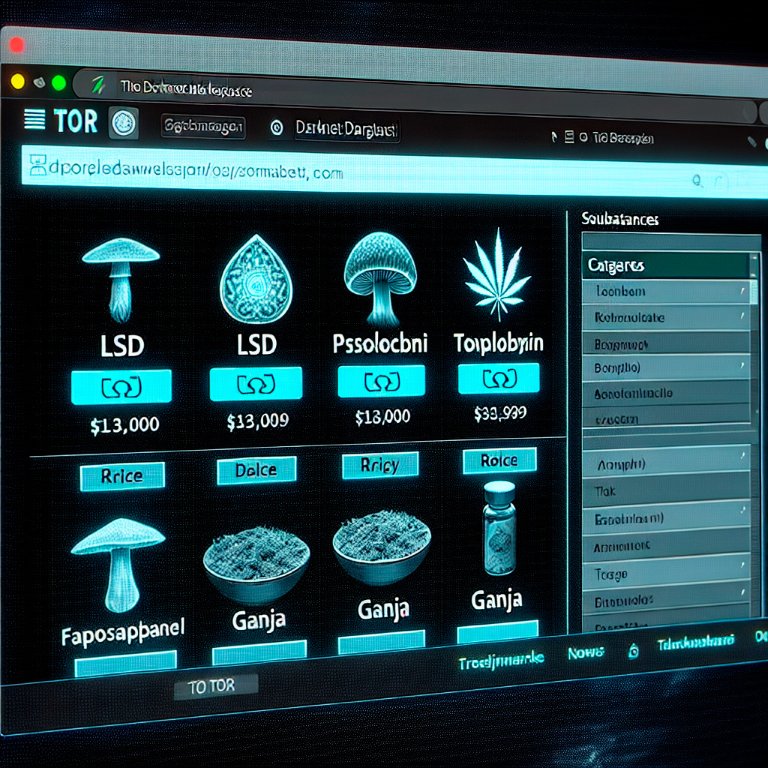
Easy Shopping and Live Stock on the Darknet
The evolution of darknet markets in 2025 is characterized by a significant shift toward user-centric design, mirroring the usability standards of mainstream e-commerce platforms. This development directly addresses a historical barrier to entry, transforming the procurement process into an intuitive and efficient activity. Interfaces now feature clear navigation menus, advanced search filters, and a streamlined checkout process, reducing user error and transaction time.
A critical component of this efficiency is the implementation of real-time inventory tracking. Vendors maintain dynamically updated listings that reflect precise stock levels, including gram counts for bulk substances. This system is integrated with automated order processing, preventing the frustration of purchasing an out-of-stock item. The result is a predictable and reliable transaction flow, where buyers can make purchasing decisions with confidence, knowing the listed product is immediately available for dispatch.
The technical infrastructure supporting these features relies on lightweight JavaScript frameworks and optimized backend databases. These technologies update inventory counts and product pages instantaneously without compromising the underlying security of the platform. The design philosophy prioritizes a seamless user experience that minimizes operational friction, allowing users to focus on vendor reputation and product quality rather than navigating a complex system. This professionalization of the interface elevates the entire ecosystem, fostering trust and repeat business by delivering consistent, predictable service.
A Smooth and Secure Way to Buy on the Darknet
The operational model of darknet markets in 2025 has evolved into a highly efficient ecosystem for substance acquisition. This efficiency stems from a mature integration of advanced privacy technologies and a self-regulating vendor system. The process is streamlined from search to delivery, minimizing friction and uncertainty for the user.
Markets now function on resilient, distributed infrastructure, ensuring near-constant uptime and resistance to takedowns. User interfaces are intuitive, featuring real-time inventory updates, advanced search filters, and automated order tracking. This creates a purchasing experience comparable to mainstream e-commerce platforms.
The cornerstone of transactional security is the widespread adoption of post-quantum cryptography and decentralized escrow. These systems guarantee that funds are only released upon satisfactory delivery, eliminating the risk of vendor fraud. Enhanced privacy is maintained through integrated cryptocurrency mixing services and anonymous communication protocols, effectively severing the blockchain link between buyer and seller.
Vendor reliability is quantitatively assured through transparent multi-signature feedback systems. Reputation is built on verifiable transaction data, not just reviews. This, combined with automated logistics integration for shipping and tracking, has led to significantly higher delivery success rates. The ecosystem is self-optimizing: reliable vendors with high success rates gain more visibility, while poor performers are algorithmically marginalized.